
What Is Climbing Chalk Made Of?
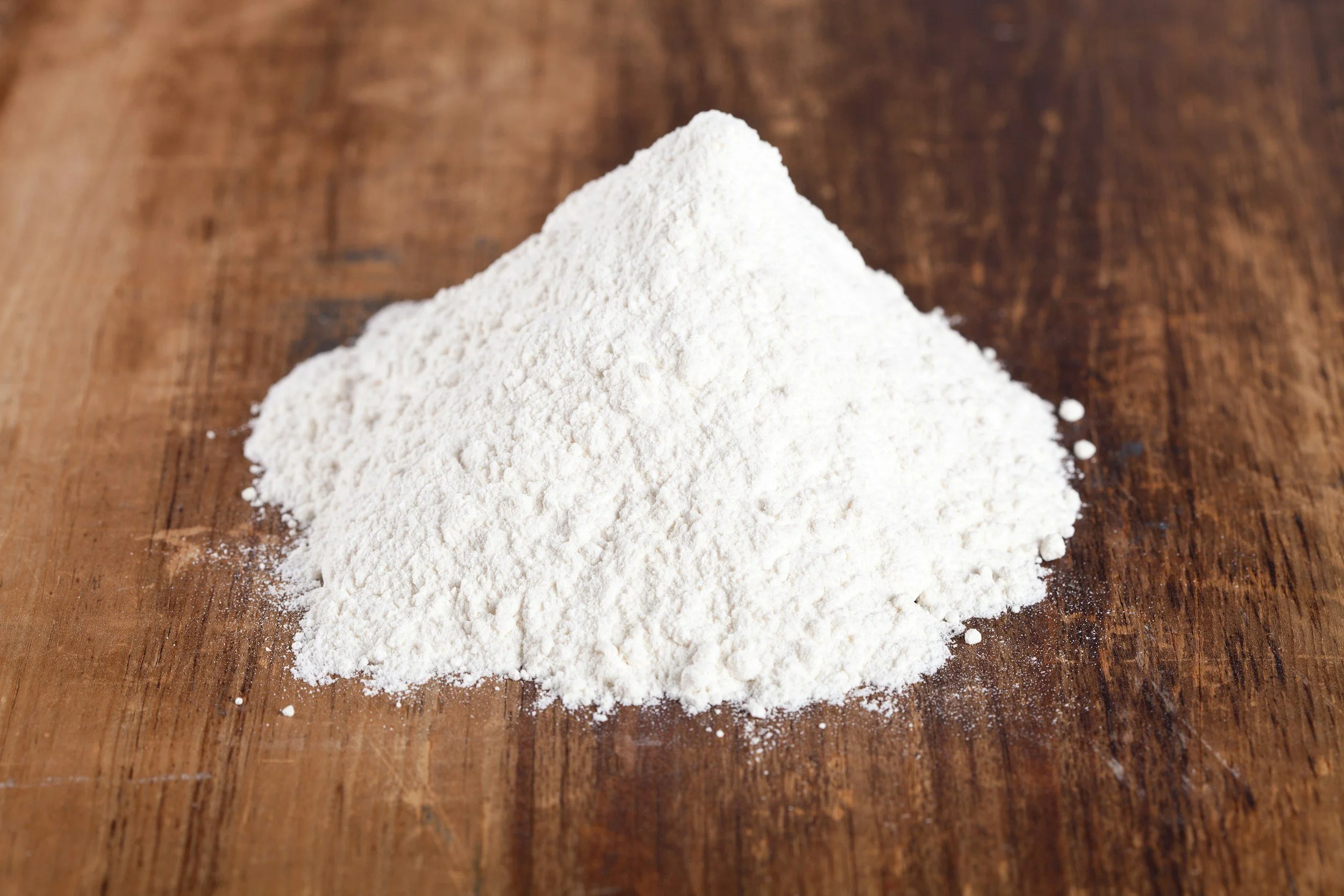
Most climbers use chalk. Almost none of us know what’s in it. We dip, we clap out the cloud, we slap it on the hold and trust that the white stuff is doing its job. But not all chalk is the same, and the difference between chalk that keeps your grip locked and one that turns to paste at the first sign of sweat comes down to what’s mixed in.
Here’s what climbing chalk is really made of. The good, the filler, and the stuff you should probably know is in there.
The base: magnesium carbonate
At its core, climbing chalk is one thing: magnesium carbonate (MgCO₃). It’s a natural mineral, mined from magnesite, and it’s the same compound climbers, gymnasts, and weightlifters have used for decades. The reason it works is simple chemistry: magnesium carbonate is nearly insoluble in water, and sweat is mostly water. Coat your hands in it and it soaks up moisture and oil, leaving dry skin and more friction between you and the rock.
That’s it. That’s the whole job. Everything else a chalk brand adds is either helping that base perform or cheapening it.
Drying agents: the performance boosters with a catch
Some chalks add drying agents meant to pull even more moisture off sweaty hands. The two you’ll see are silica (often as silica silylate) and Upsalite, a high-tech mesoporous form of magnesium carbonate. They genuinely work and can extend how long a coat lasts.
But there are two catches. First, drying agents can strip away the little moisture your skin needs to stay healthy. This leaves your skin dry, cracked, and raw. The exact type of skin damage that benches you for days. Second, loose silica dust is something you don’t want to be breathing in clouds of session after session. Concerns about silica inhalation are part of why a number of chalk brands quietly dropped artificial drying agents altogether. If a chalk feels almost aggressively drying, then drying agents are usually why.
Fillers: where cheap chalk cuts corners
Here’s the part the budget brands don’t advertise. To bring costs down, lower-quality chalk gets cut with cheaper powders. The most common fillers are calcium carbonate (the stuff in blackboard and sidewalk chalk) and sometimes gypsum. They look the part: white, powdery, convincing. But they don’t perform like magnesium carbonate. Calcium carbonate actually absorbs water, so the moment your hands get sweaty the filler works against you by turning into a baking soda like slurry on a microscopic level. The kicker is that magnesium carbonate purity varies wildly to begin with: most of the world’s supply comes from large open-pit mines with inconsistent purity, so “magnesium carbonate” on a label doesn’t guarantee much without a brand that actually controls its quality.
How to read a chalk for what it really is
Strip away the marketing and good chalk comes down to four things: grind (how fine or chunky), dryness (how much moisture it pulls), purity (how much is actually magnesium carbonate), and additives (what else got mixed in, and why). A quality chalk is high-purity magnesium carbonate with a good grind and no cheap filler dragging down performance. Anything beyond the base mineral should be there for a reason, not to pad out the bag.
Where X Chalk lands
This is exactly why we built X Chalk the way we did. The foundation is premium, high-purity magnesium carbonate — no calcium carbonate filler quietly killing your friction, no mystery cutting agents. What we do add is deliberate. The clove, myrrh, and Tien Chi were chosen not to dry out your skin but to protect and repair it while you climb. It’s the opposite philosophy to cheap chalk: better base, purposeful additions, nothing in the bag that isn’t earning its place.
Next time you reach for chalk, know what you’re getting. Try X Chalk and feel what pure, purposeful chalk does for your grip.